Automatically map your business logic, metrics, and definitions across all your systems

Continuously resolve mismatches, anomalies, and schema drift without manual intervention

Deliver structured, contextualized intelligence directly to copilots, dashboards, and decision workflows


Last week I was in Vegas for Workday Rising. Admittedly, I went for the product. I came home thinking about the people.
As has often been my experience, the best learnings and realizations I had happened away from the main stage, most notably through the people I met and the candid, relatable conversations I had with peers and builders who, like us at Preql, are trying to figure this new frontier out in real time.
I spoke with one finance leader who shared a familiar experience of spending every Monday pulling numbers from three different systems and chasing people for updated spreadsheets in order to deliver the same weekly report. So he built an internal tool on his personal laptop that nobody had asked for. No budget, no two-week sprints with a crew, no roadmap slot. Just an employee and an idea born out of frustration. I mean, who hasn’t been there? The difference is that in previous waves, most of us would have had no choice but to keep waiting. In 2026, this story ends with an executive sponsor and a standing slot to present the art of the possible at a leadership meeting.
And once I’d heard that story, I kept hearing it. Different central characters, different companies, different problems, but the same outcome. Someone close to the work builds a fix. Someone senior notices. And instead of shutting it down, companies are making room for it.
That is the part that surprised me. People have always built, and some of the best builders have lived the pain they’re trying to fix. What feels new is that even the largest and most conservative companies are making room for them.
But there is one question I couldn’t shake.
If everyone agrees that writing code is getting this cheap, why does enterprise software still arrive one-size-fits-all? Why should a company with its own customers, its own quirks, and its own way of running a quarter squeeze itself into a vendor’s idea of a workflow?
I don’t have the answer. But the people I met at Rising are already changing what building software looks like inside non-tech companies. The cost of building is collapsing. What we have to remember is that the cost of knowing what to build is not.
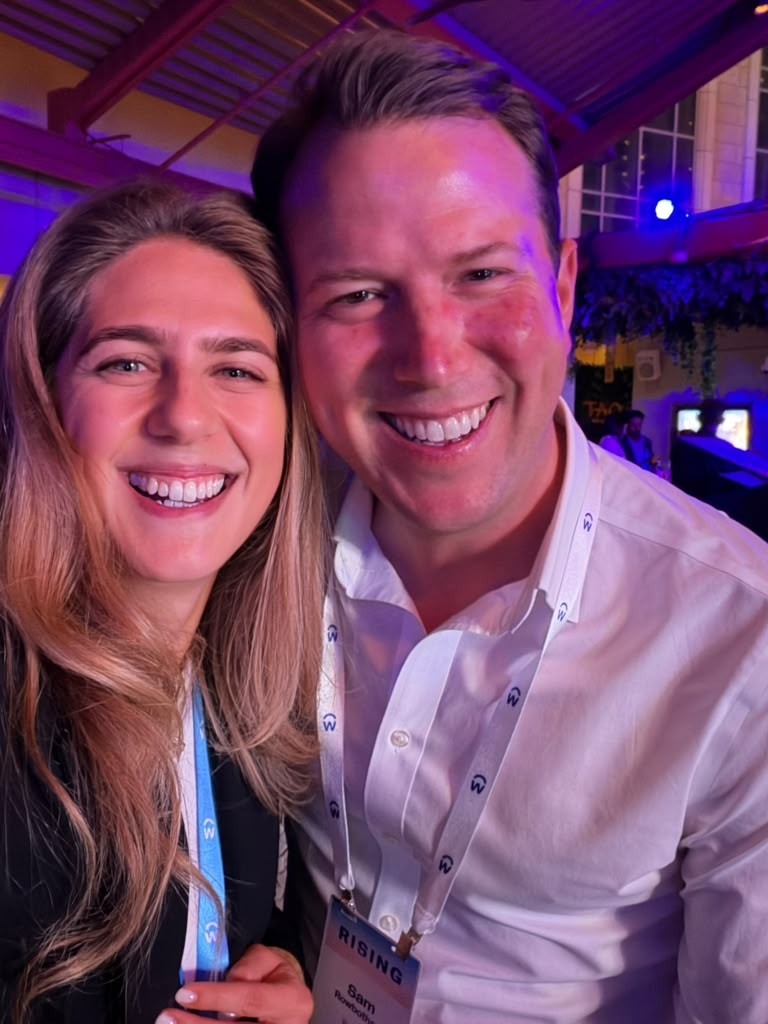
Sam Rowbotham, Workday
What breaks first
Let’s make this a real scenario. A RevOps lead builds a slick little app that flags accounts at risk of churn. It’s awesome. Folks up the chain love it.
The app pulls “active customer” from the CRM. The CRM thinks a customer who downgraded in March is still on the enterprise tier, because billing processed the downgrade as a credit and nobody updated the record. Finance counts that account one way. Sales counts it another. The app counts it a third way, confidently, every morning at 6 a.m.
The code took a weekend. The argument about what “active customer” means has been going on for three years, and no one is clear on the answer.
Where Preql comes in
We live and breathe that messy gap. Our teams sit with a customer, learn how their data actually moves between systems, and help settle the disagreements at the source. Our agents turn those definitions, rules, and relationships into governed context that people can build on.
Custom workflows, shared truth. Build whatever you want on the top floor. Just don’t pour a new foundation every time.
My bias, and my bet
Every company is about to have more builders. The ones that win will be the ones that give those people a shared understanding of what their numbers mean before a hundred different tools start producing a hundred different answers.
Code is cheap now. Meaning still isn’t. Spend accordingly.
If your people have started building their own tools and you’re quietly wondering whether your definitions can keep up, send me a message. I promise I’ve seen worse.
And if you think I’m wrong that one-size-fits-all SaaS is in trouble, I’d love to hear why.
Where I’ll be
Back in Las Vegas for Money20/20 at The Venetian. I’m on stage this year, and I’m bringing news I’ve been sitting on for far too long. If you’re there, come find me.
This is also the season of partnerships. There’s more I can’t say yet, but some very exciting ones are close to being real. More next time!
Back after Vegas, Gabi
Explore more